


Understanding "Ozempic Face" — and the Treatments That Restore Balance

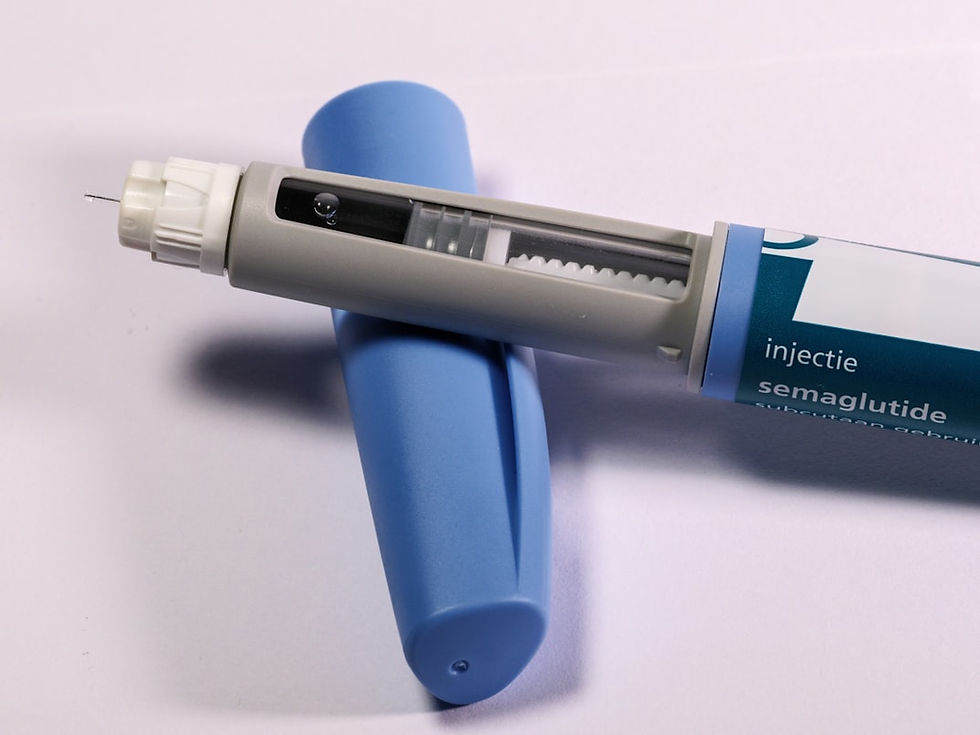
The rise of GLP-1 medications such as semaglutide and tirzepatide has changed how many of our patients look — and not only around the waistline. A growing number of people are noticing hollowed cheeks, a sunken under-eye area, and looser skin along the jaw after significant weight loss. This pattern has become widely known as "Ozempic face," and it's now one of the most common concerns we hear about in consultations.
What causes it
Unlike the slow, gradual fat redistribution that comes with ordinary ageing, rapid weight loss from GLP-1 therapy depletes facial fat compartments quickly. The temples, mid-cheek area, and under-eye region tend to lose volume first and most noticeably, which can make the whole face look more tired, gaunt, or older than a person feels. The skin itself doesn't always have time to adjust, which is why looser, less elastic skin often accompanies the volume loss.
Why one treatment rarely does the job
Because Ozempic face usually involves two separate issues — lost volume and loose skin — addressing only one rarely gives a satisfying result. Filler alone can restore fullness but won't tighten sagging skin, while skin-tightening devices alone won't rebuild volume that's simply gone. Most practitioners now recommend a combined, sequenced approach tailored to each patient's stage of weight loss and specific pattern of change.
Treatments we consider
Dermal fillers: Hyaluronic acid fillers offer immediate, precise volume restoration in areas like the cheeks, temples, and under-eyes, and can be adjusted as a patient's weight stabilises.
Collagen biostimulators: Products such as poly-L-lactic acid work more gradually, encouraging the skin to rebuild its own collagen over two to three months, with results that can last well beyond fillers alone.

Skin tightening technologies: Radiofrequency and ultrasound-based devices help firm loose skin around the jaw and neck, and can be started even before weight loss is complete to help skin adapt as it happens.

Skin boosters and regenerative treatments: Polynucleotides and similar bio-remodelling injectables improve overall skin quality, hydration, and glow, which is often part of what makes a face look tired after rapid weight loss.

Timing matters
We generally recommend waiting until weight has been stable for around four to six weeks before committing to volume-restoring treatments, since further weight loss can change what the face needs. Skin-tightening treatments, on the other hand, can often begin earlier in the process.
A consultation is the best way to map out a plan that fits where you are in your journey.
If you've noticed these changes in your own face, we'd be happy to talk through your options and build a plan suited to your goals and timeline.


