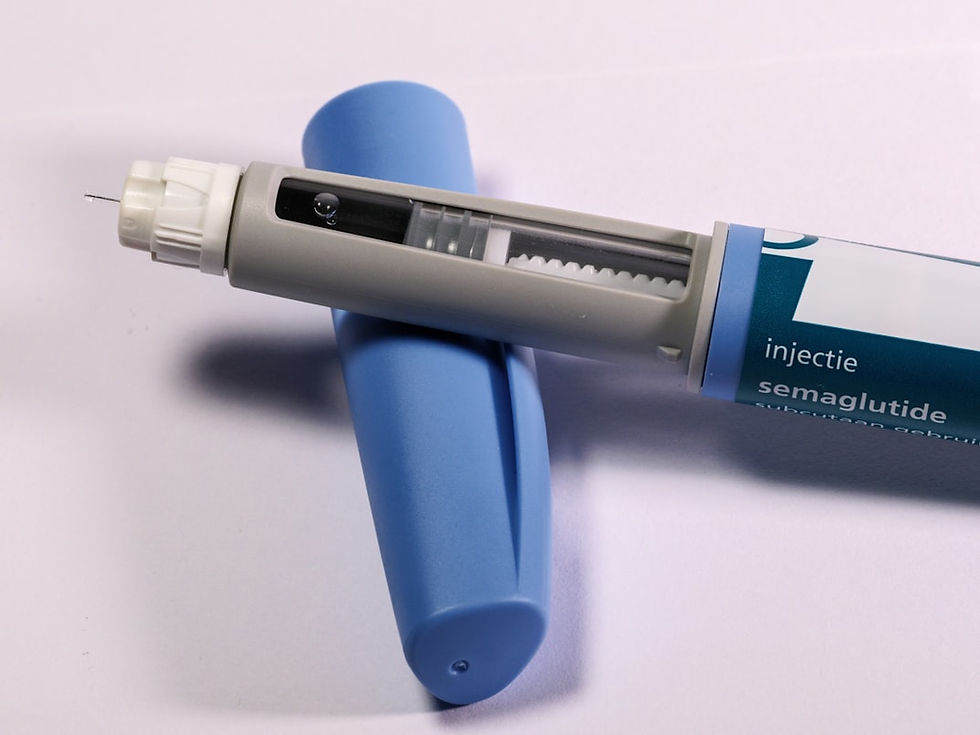
GLP-1s and Hair Loss: Why Ozempic, Wegovy & Mounjaro Can Trigger Shedding — And How to Treat It
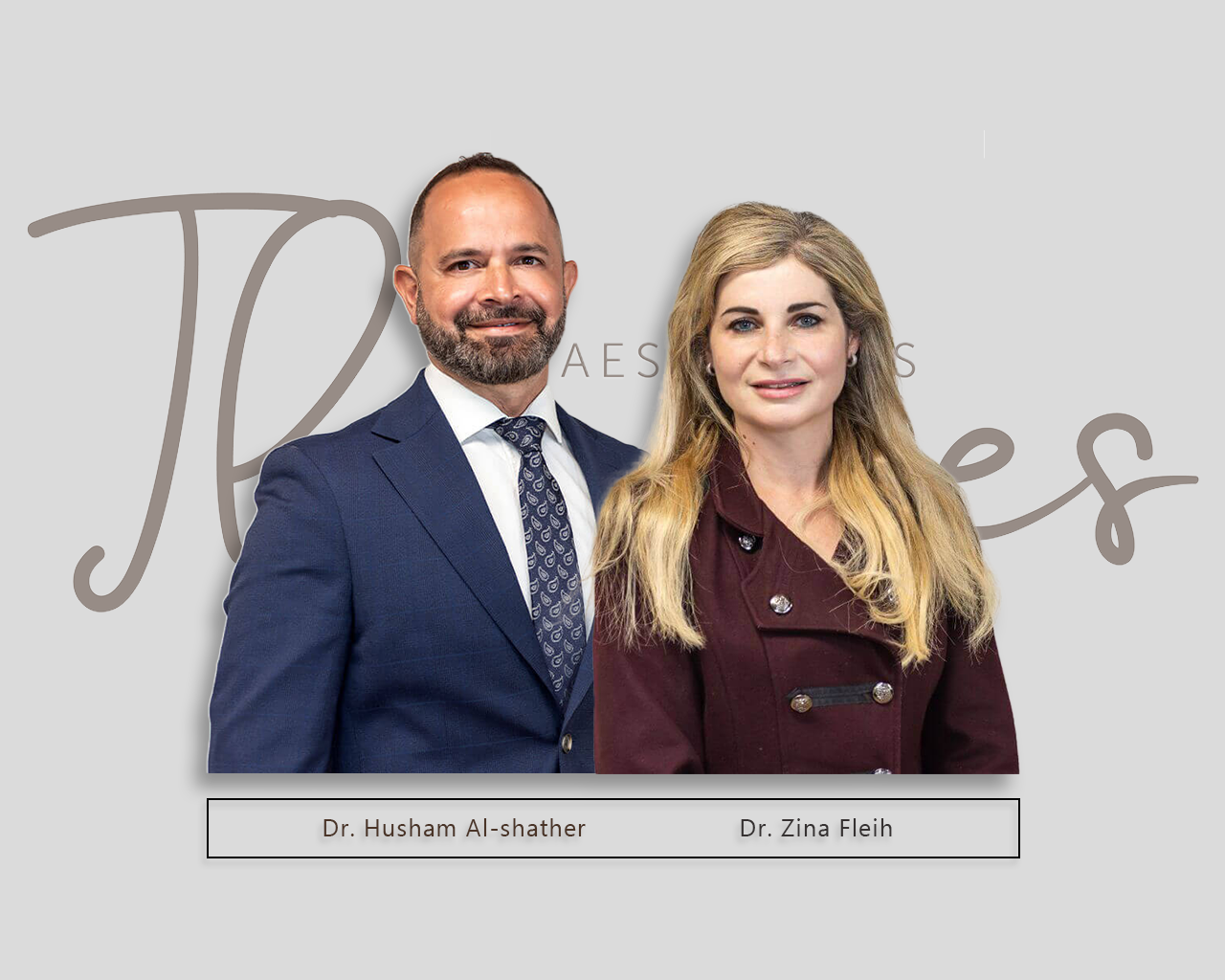
Losing Hair on Ozempic, Wegovy or Mounjaro? You're Not Alone
If you've noticed more hair in the shower drain or on your hairbrush since starting a GLP-1 medication, you're far from alone. A growing body of research links semaglutide (Ozempic, Wegovy) and tirzepatide (Mounjaro, Zepbound) with a noticeable rise in hair shedding, and it's become one of the questions we hear most often in consultations at our Twyford clinic.
The good news is that this type of hair loss is usually temporary and highly treatable. Here's what's actually happening, why it happens, and the options available to help your hair recover.

Why GLP-1 Medications Can Trigger Hair Shedding
The mechanism isn't thought to be the drug itself, but the speed and scale of weight loss it produces. Rapid, significant weight loss is a physical stressor on the body, and hair follicles are highly sensitive to stress. This can push a large proportion of hairs (sometimes 80–90%) out of their normal growth phase and into a resting phase prematurely, a condition known as telogen effluvium.
Because hair follicles take two to four months to shed once they enter the resting phase, the hair loss often appears well after starting treatment, which is why many patients don't immediately connect the two. Reduced calorie, protein and micronutrient intake while on a GLP-1 medication can compound the effect, particularly if iron, zinc, biotin or vitamin D levels drop.
Is It Permanent?
For most people, no. Telogen effluvium doesn't destroy the hair follicle, it simply pauses it. Once weight stabilises and nutritional intake is adequate, the hair growth cycle typically resets and regrowth follows. That said, recovery can be slow and, for some, an extra boost is needed to encourage follicles back into an active growth phase and restore density.

Treatment Options at Thames Aesthetics
This is where our hair rejuvenation therapies come in.
Both of the following treatments work with your body's own biology to stimulate dormant follicles and support fuller, healthier regrowth.
Exosome Hair Therapy uses concentrated signalling molecules to encourage follicles to re-enter the growth phase, improve hair density and support the health of the scalp environment, making it a strong option for GLP-1-related shedding.
Platelet Rich Plasma (PRP) uses growth factors from your own blood, delivered directly into the scalp, to stimulate circulation and follicle activity. It's a well-established, natural approach often used alongside nutritional correction for stress-related hair loss.

What to Expect at Your Consultation
Every course of treatment starts with a detailed, personalised consultation. We'll look at your hair and scalp, discuss your GLP-1 treatment timeline and any nutritional factors, and agree a tailored plan, whether that's Exosome Therapy, PRP, or a combination approach alongside simple nutritional support.
Book a Hair Consultation
If you're experiencing hair thinning or shedding while on a GLP-1 medication, don't wait for it to resolve on its own. Get in touch on 0118 3343736 or visit us at 4 Church Street, Twyford, RG10 9DR to book a consultation and find out which treatment is right for you.